Wholesale Kurtis: How to Pick Styles That Sell in Your Town
A practical guide for shop owners buying wholesale kurtis: which styles, fabrics, sizes and price levels to stock so your kurtis sell fast in your town.
2 October 2026 · 6 min read · By the GarmentBazaar team
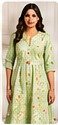
Why kurtis deserve a fixed place on your shelf
For most clothing shops in smaller towns, the kurti is the closest thing to a year-round bestseller. College students wear them, working women wear them to the office, and homemakers buy them for daily wear and for small functions. Unlike a lehenga or a heavy saree, a kurti is an easy purchase, so customers come back for it again and again.
That steady demand is also why kurtis need careful buying. A shop that picks the wrong prints, sizes or price level ends up with racks of pieces that nobody touches, while the shop next door sells out. The good news is that picking kurtis that sell is not luck. It comes down to knowing your customer and buying in a way that lets you learn quickly.
Start with who buys from you
Before you look at a single listing, think about the three or four kinds of women who walk into your shop most often. A college girl wants something trendy and affordable. A teacher or bank employee wants a neat, comfortable kurti she can wear five days a week. An older customer may want longer lengths, sleeves and fuller sizes. A bride's family may want a few festive kurtis for functions around the wedding.
Write these customer types down and give each one a share of your kurti budget. If most of your sales come from office-goers, that group should get the biggest share. This simple step stops you from buying what looks exciting in a catalogue but does not match the people who actually shop with you.
- Students: short and A-line styles, bright prints, entry price
- Working women: straight cut, solid colours, easy-care cotton
- Mature customers: longer lengths, sleeves, larger sizes
- Occasion buyers: embroidered or festive kurtis and kurta sets
Styles and cuts to cover
You do not need fifty styles. A well-chosen range of a few cuts, each in a handful of colours and prints, sells better than a crowded rack. Straight kurtis are the safest everyday style. A-line kurtis flatter most body types and suit younger buyers. Anarkali and flared kurtis do well for functions. Kurta sets with matching pants or a dupatta are popular because the customer gets a complete look without having to match pieces herself.
Watch what women in your town are actually wearing, at the market, in college and at weddings. If you see more co-ord sets and short kurtis with jeans, add a few of those. If traditional long kurtis with churidars still lead, keep that as your core and test newer cuts in small quantities.
Fabric and season matter more than you think
Cotton and cotton-blend kurtis are the backbone of daily wear in most of India, because they are comfortable in heat and easy to wash. Rayon kurtis drape well and are often priced lower, which makes them popular at the entry level. Georgette, chanderi and silk-blend kurtis suit festive buying.
Match your fabric mix to the season and your region. In hot months, push light cotton and pastel colours. As the festive season comes closer, add richer colours, prints and some embroidered pieces. In colder regions, longer sleeves and heavier fabrics will move better in winter. Customers will often tell you what they find uncomfortable, so listen to returns and complaints.
Get your size ratio right
Size is where many kurti buyers lose money. If you order equal quantities of every size, you will usually run out of the popular middle sizes and be left with extra small and extra large pieces. Look at your own sales from the last few months and see which sizes sold first.
When you read a wholesale listing, check whether the brand sells a fixed size set or lets you choose sizes. Many shops in smaller towns find that M, L and XL carry most of the sales, with a growing demand for XXL and above. If you have customers asking for larger sizes, that is a gap worth filling, because fewer shops stock them well.
Pick price levels that fit your town
Kurtis sell at every price, from very affordable daily wear to premium designer pieces. Decide the selling prices your customers are comfortable with, then work backwards to the wholesale price you can afford to pay while still keeping a healthy margin. The margin calculator on the GarmentBazaar homepage helps you check this before you place an order.
Most shops do well with a wide base of entry-level kurtis, a solid middle range for regular customers, and a small number of higher-priced pieces that make your rack look premium. On GarmentBazaar you can see the wholesale price per piece on every listing before you sign up, and you can browse collections under a set budget per piece.
Buy small, learn fast, reorder winners
The safest way to find kurtis that sell is to test. Instead of buying a large quantity of one style, buy several styles at the brand's minimum order quantity (MOQ). Put them on display, share photos with your regular customers on WhatsApp, and note which ones sell in the first two weeks.
Reorder the winners in bigger quantities and stop buying the slow ones. This approach keeps your money moving and keeps dead stock low. Your retailer dashboard on GarmentBazaar keeps your order history, so reordering a style that worked takes one tap instead of a trip to the mandi.
- Test 5 to 8 new styles at MOQ each season
- Track what sells in the first two weeks
- Reorder winners, drop slow movers quickly
- Keep notes on prints, colours and sizes that worked
Display kurtis so they sell themselves
Hang a few kurtis fully open at eye level, styled with a matching dupatta or leggings, so customers can see the full length and cut. Group them by colour or by occasion rather than piling them up folded. A customer who can picture herself in a complete look is far more likely to buy.
Rotate your front display every week or two so regular customers always see something new. Even if the stock behind the counter is the same, a fresh front makes your shop feel busy and up to date.
Ready to restock?
See the wholesale price per piece and MOQ on every collection, free.
Browse wholesale ethnic wearQuestions retailers ask
Which kurtis sell best in small towns?+
It depends on your customers, but comfortable straight and A-line cotton kurtis in the middle price range are a safe core for most shops. Add festive and trendy styles in smaller quantities and let your own sales guide reorders.
How many kurtis should I buy for a new shop?+
Start with several styles at each brand's minimum order quantity rather than a large quantity of one design. Once you see what sells, reorder those styles in bigger numbers.
What size ratio should I order for kurtis?+
Use your own past sales as the guide. Many shops sell most in M, L and XL, so avoid equal quantities of every size and keep enough larger sizes if your customers ask for them.
Can I see wholesale kurti prices before signing up?+
Yes. GarmentBazaar shows the wholesale price per piece on every listing before signup, and joining as a retailer is free.
Shop ethnic & occasion wholesale
See allEthnic & OccasionCoastal Linen Kurta Set
Meridian Threads
Breathable linen-cotton kurta sets in five wash-friendly colourways, cut for easy retail sizing from S to XXL.
 Ethnic & Occasion
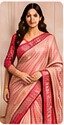
Festive Silk-Blend Sarees
Aara Studio
Silk-blend sarees with woven borders in blush and rose, with blouse piece.
 Ethnic & Occasion
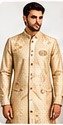
Festive Kurta Sets
Aara Studio
Embroidered straight-cut kurta and churidar sets for the festive and wedding season.
 Ethnic & Occasion
Heritage Lehenga Sets
Aara Studio
Embroidered lehenga, blouse and dupatta sets for festive and bridal-party retail.